
Choosing an Office Cleaner in Adelaide: A Buyer's Guide
What to look for, what to ask, and the contract clauses that separate professional providers from cowboys.
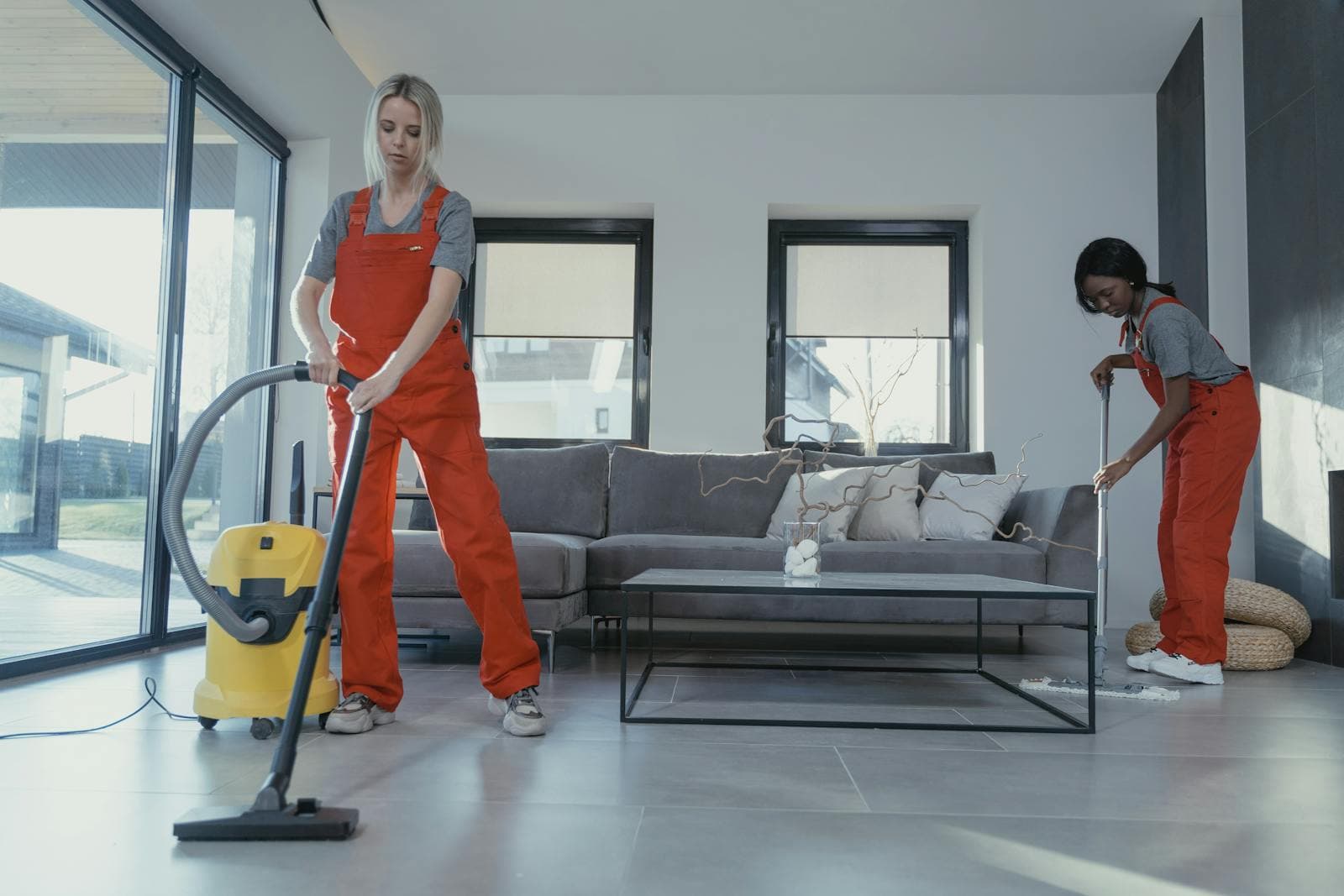
Office cleaning is one of the few services your business will purchase that lives entirely outside your sight — performed at night, by people you've never met, on a rotation set by someone else. The cost of getting it wrong is high: bad cleaning embarrasses you in front of clients, drives staff complaints, and creates compliance risk in regulated industries.
Here's how Adelaide buyers should run a procurement.
1. Insurance and certification — non-negotiable
Ask for current certificates of:
- Public liability insurance — minimum $20M for offices, $50M for clinical or industrial.
- WorkCover SA — every contractor must be covered.
- Police checks for all staff — on file, with rotation policy.
If a provider hesitates on any of these, the conversation is over.
2. Get the supervisor's name and number
Ask: "Who is the supervisor on my account, what's their direct number, and what's their tenure?" If the answer is "the office," walk away. Cleaning is a people business — your contract is only as good as the supervisor on the other end.
3. Spec the scope, not the hours
Most weak contracts are written as "X hours per night, three nights per week." That's a labour contract — it doesn't define a cleaning outcome. Better contracts specify:
- Daily tasks (kitchens, bathrooms, bins, vacuum).
- Weekly tasks (floors, glass, dust).
- Monthly tasks (high dusting, vents, deep kitchen).
- Quarterly tasks (deep clean, carpet shampoo, pressure clean if applicable).
You're buying a state of cleanliness, not an attendance roster.
4. Insist on a quality reporting cadence
A professional provider should produce, at minimum, a monthly report covering:
- Tasks completed vs. scope.
- Quality audit scores (use a 0–100 scale).
- Issues reported and resolved.
- Photos of any deep-clean or quarterly work.
If your current provider doesn't report, you have no way to know what you're paying for.
5. Ask about staff turnover
Cleaner turnover is the single biggest predictor of contract failure. A provider with 25% annual turnover will deliver consistent results. A provider at 80% will not. Ask: "What's your cleaner retention rate, and how do you measure it?"
6. Walk the building together
Before signing, walk the site with the proposed supervisor — not the salesperson — at 6pm or whenever the clean would happen. Watch how they take notes, what questions they ask, whether they look at the bathrooms or just the lobby.
7. Term length and exit
Lock in scope and price for 12 months, with a 30-day no-fault exit clause for both sides. Anyone insisting on multi-year terms with break fees is protecting their margin, not your interest.
8. References from similar buildings
A provider that cleans law firms is not interchangeable with one that cleans warehouses. Ask for two reference clients from buildings similar in size and use to yours, and call them.
A small checklist for your next RFP
- [ ] Insurance certificates attached
- [ ] Police-check policy provided
- [ ] Supervisor name and direct number
- [ ] Scope written as outcomes, not hours
- [ ] Monthly reporting cadence specified
- [ ] Staff retention rate disclosed
- [ ] Two reference clients in similar buildings
- [ ] 30-day no-fault exit both ways
We'd love to bid
If you're running a procurement now, we're happy to provide all of the above on the same day. Get in touch with our commercial team.